Inspiration is temporary
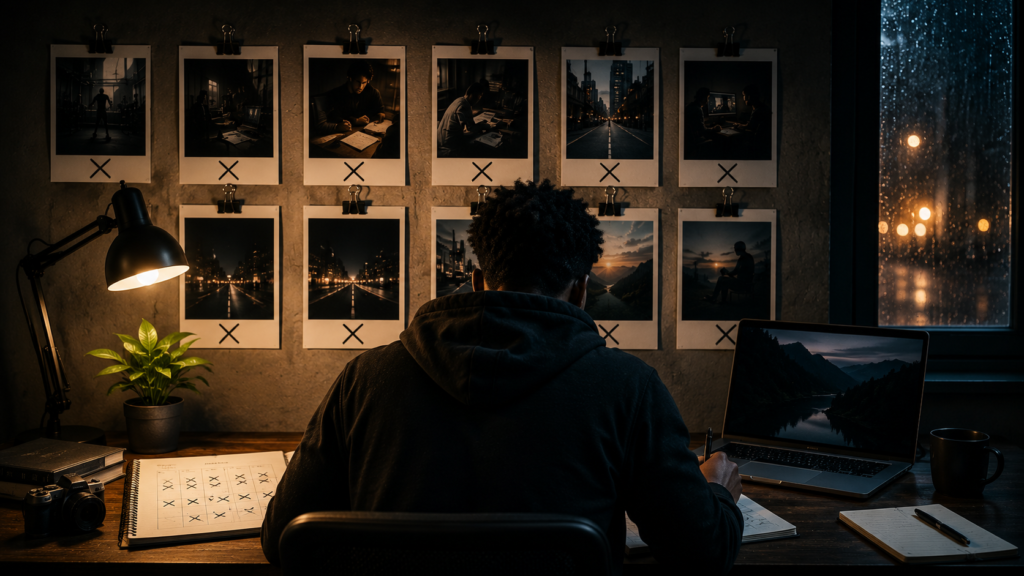
Some days you feel creative.
Other days you don’t.
That’s normal.
But many creatives make one major mistake:
They only work when they “feel inspired.”
And because inspiration comes and goes, their progress becomes inconsistent.
The problem with waiting
Waiting sounds harmless.
But over time, it becomes a habit.
You delay projects.
You postpone ideas.
You avoid the work.
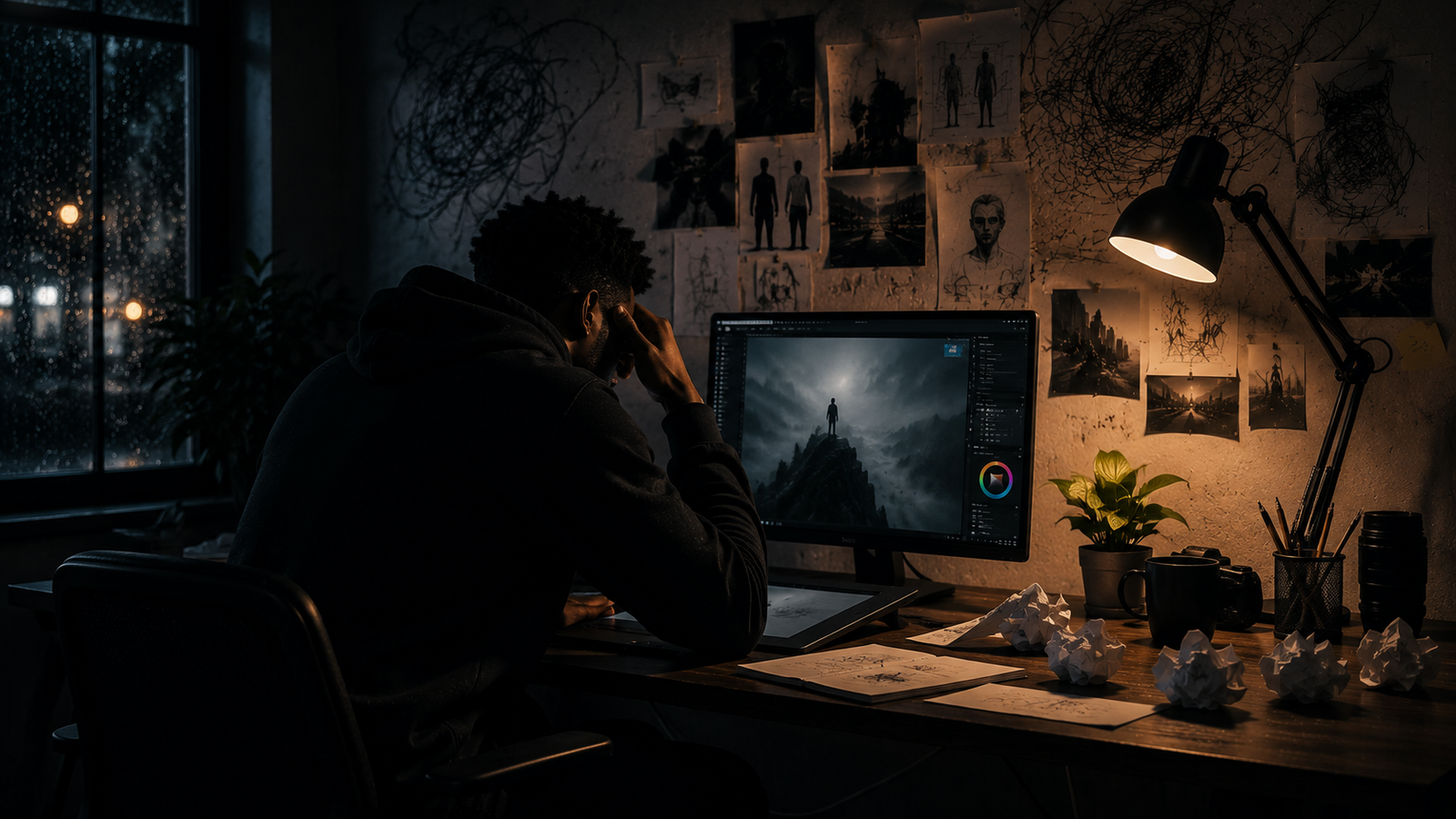
And eventually, creativity starts feeling distant.
Not because you lost talent.
Because you stopped practicing.
Creativity is built through repetition
The more you create:
- The easier ideas flow
- The more confident you become
- The stronger your skills grow
Creativity behaves like a muscle.
If you stop using it, it weakens.
Professionals create regardless of mood
The difference between amateurs and professionals is simple:
Professionals show up consistently.
Even when:
- They feel tired
- The ideas aren’t flowing
- The work feels average
Because they understand something important:
Action creates momentum.
How to create without inspiration
1. Start small
Don’t wait for a huge idea.
Open the software.
Write one paragraph.
Edit one clip.
Starting creates movement.
2. Remove pressure
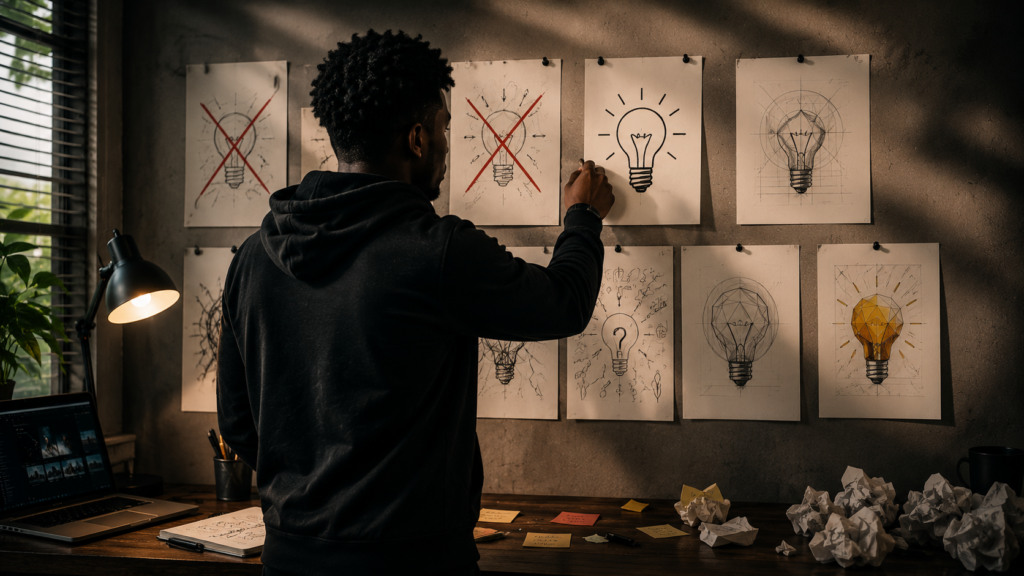
Not every project must be amazing.
Some work is practice.
And practice matters.
3. Build routines
A routine reduces resistance.
When creativity becomes habit, you stop depending on emotion.
What happens when you keep showing up
You improve faster.
You stop fearing blank pages.
You develop discipline.
And eventually, inspiration finds you while you’re working—not waiting.
Final thought
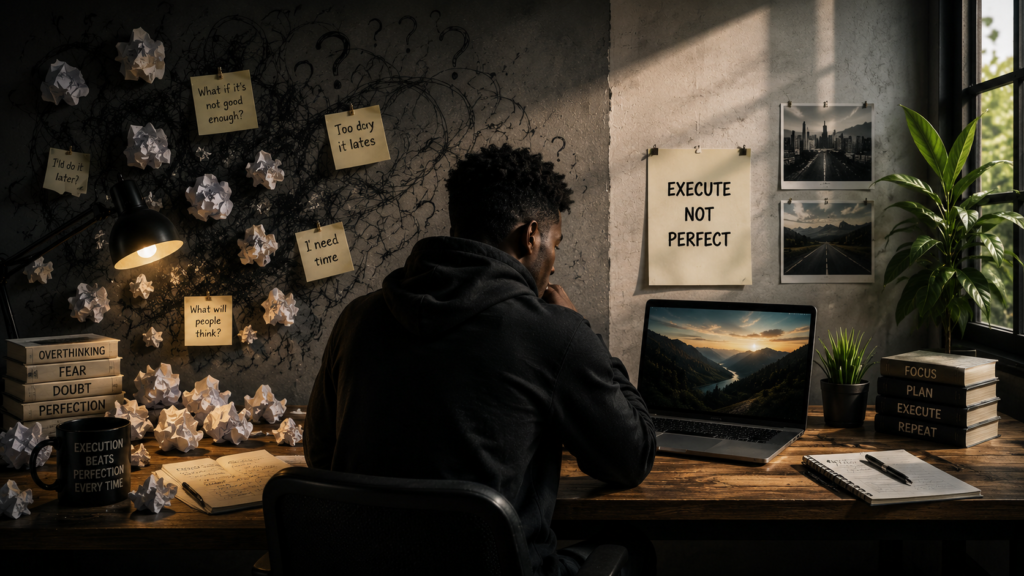
Don’t wait to feel creative.
Create first.
The feeling will follow.